In today’s hyper-connected digital world, system integration isn’t just a tech buzzword—it’s a business imperative. From startups to Fortune 500s, organizations are breaking down data silos and aligning technologies to drive efficiency, innovation, and growth. Let’s dive into what makes system integration so powerful and how you can master it.
What Is System Integration and Why It Matters

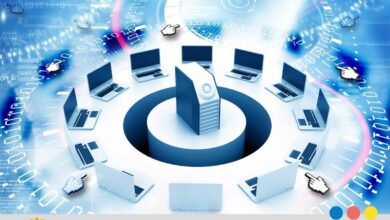
At its core, system integration refers to the process of connecting different computing systems, software applications, and IT infrastructure to function as a coordinated whole. This allows data and workflows to flow seamlessly across departments, platforms, and even external partners. Without effective system integration, businesses risk inefficiency, data duplication, and poor decision-making due to fragmented information.



Defining System Integration in Modern IT
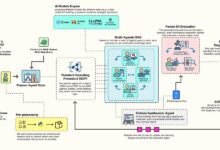
System integration is no longer limited to connecting two legacy databases. In modern IT environments, it encompasses cloud platforms, microservices, APIs, IoT devices, and AI-driven analytics tools. The goal remains consistent: create a unified ecosystem where every component communicates effectively.
- It enables real-time data sharing across departments like sales, finance, and operations.
- It reduces manual data entry and minimizes human error.
- It supports scalability by allowing new technologies to plug into existing architectures.
According to Gartner, organizations that implement robust system integration strategies see up to a 35% improvement in operational efficiency within the first year.
The Business Value of Integrated Systems
System integration directly impacts the bottom line. When enterprise resource planning (ERP), customer relationship management (CRM), and supply chain management (SCM) systems are integrated, businesses gain end-to-end visibility. This leads to faster response times, improved customer service, and better forecasting.
“Integration is not an IT project—it’s a business transformation enabler.” — Forrester Research
For example, a retail company integrating its e-commerce platform with inventory and logistics systems can offer real-time stock updates, automate reordering, and provide accurate delivery estimates—boosting customer satisfaction and reducing overhead.
The Evolution of System Integration Over Time
System integration has evolved dramatically over the decades, shaped by technological advancements and changing business needs. Understanding this evolution helps contextualize today’s best practices and future trends.
From Siloed Systems to Enterprise Integration
In the 1980s and 1990s, most companies operated with isolated systems—each department had its own software that didn’t communicate with others. This led to data redundancy and operational bottlenecks. The rise of ERP systems like SAP and Oracle marked the beginning of enterprise-wide integration, aiming to centralize data and processes.
These early integrations were often monolithic and expensive, requiring extensive custom coding. However, they laid the foundation for centralized data management and cross-functional workflows.
The Rise of Middleware and Integration Platforms
As businesses grew more complex, the need for flexible integration solutions became apparent. Middleware emerged as a bridge between disparate systems, enabling communication without altering core applications. Tools like IBM WebSphere and Microsoft BizTalk became popular for orchestrating data flows.
Today, integration platforms as a service (iPaaS) like MuleSoft and Salesforce Integration Cloud offer cloud-based, scalable solutions that reduce dependency on on-premise infrastructure.
Key Types of System Integration Approaches
Not all integration strategies are created equal. The right approach depends on your organization’s size, architecture, and goals. Here are the most common types of system integration used today.
Point-to-Point Integration
Also known as “spaghetti integration,” this method connects systems directly to one another using custom APIs or scripts. While simple for small-scale needs, it becomes unmanageable as the number of systems grows.
- Best for: Small businesses with limited applications.
- Drawbacks: High maintenance, lack of scalability, and increased risk of failure.
- Example: Connecting a CRM directly to an email marketing tool via API.
Vertical Integration (Silos-Based)
This approach groups systems by function or department (e.g., finance, HR, sales) and integrates them vertically within their silo. While easier to manage than point-to-point, it still limits cross-functional visibility.
Vertical integration is often a transitional phase for companies moving from isolated systems toward enterprise-wide integration. It allows gradual modernization without overhauling everything at once.
Horizontal Integration (Enterprise Service Bus)
Horizontal integration uses an Enterprise Service Bus (ESB) as a central communication layer. All systems connect to the ESB, which handles message routing, transformation, and protocol conversion.
- Advantages: Scalable, reusable, and easier to monitor.
- Tools: Apache Camel, IBM Integration Bus, WSO2 ESB.
- Use Case: A large bank integrating core banking, loan processing, and customer service systems through a single ESB.
The ESB model remains popular in regulated industries where security, compliance, and auditability are critical.
Common Data Format Integration
This method standardizes data formats across systems (e.g., using JSON or XML schemas) so that any application can interpret incoming data without custom transformation logic. It’s often used in conjunction with API gateways and message brokers like RabbitMQ or Kafka.
By enforcing a common language, organizations reduce integration complexity and improve interoperability—especially in hybrid cloud environments.
Essential Technologies Powering System Integration
Modern system integration relies on a stack of technologies designed to enable connectivity, automation, and intelligence. Understanding these tools is crucial for designing effective integration architectures.
APIs: The Backbone of Modern Integration
Application Programming Interfaces (APIs) are the cornerstone of system integration. They define how software components should interact, enabling secure and standardized data exchange.
- REST APIs dominate web-based integrations due to their simplicity and scalability.
- GraphQL is gaining traction for its ability to fetch only the data needed, reducing bandwidth usage.
- OpenAPI specifications help document and test APIs consistently.
Companies like Netflix and Amazon attribute much of their agility to API-first design principles, allowing teams to build and deploy services independently while maintaining integration.
iPaaS: Cloud-Based Integration Made Easy
Integration Platform as a Service (iPaaS) provides a cloud-native environment for building, deploying, and managing integrations without heavy infrastructure investment.
Leading iPaaS providers include Dell Boomi, Oracle Integration Cloud, and Workato. These platforms offer pre-built connectors, workflow automation, and monitoring dashboards.
“iPaaS reduces integration project timelines by up to 60% compared to custom coding.” — IDC
For mid-sized businesses, iPaaS offers a cost-effective way to automate processes like lead syncing, order fulfillment, and financial reporting across SaaS applications.
ETL and Data Integration Tools
Extract, Transform, Load (ETL) tools are essential for integrating data from multiple sources into data warehouses or lakes. Tools like Informatica, Talend, and Microsoft SSIS help cleanse, standardize, and consolidate data for analytics and reporting.
In the era of big data, ETL has evolved into ELT (Extract, Load, Transform), where raw data is loaded first and transformed in the cloud using platforms like Snowflake or Google BigQuery. This shift supports real-time analytics and machine learning workflows.
Best Practices for Successful System Integration Projects
Even with the right tools, system integration projects can fail without proper planning and execution. Following industry best practices significantly increases the chances of success.
Start with a Clear Integration Strategy
Before writing a single line of code, define your integration goals. Are you aiming to improve customer experience? Reduce operational costs? Enable digital transformation?
- Map out all systems involved and identify integration touchpoints.
- Prioritize integrations based on business impact and feasibility.
- Establish KPIs such as data accuracy, latency, and system uptime.
A well-documented strategy aligns stakeholders across IT and business units, ensuring everyone understands the vision and timeline.
Ensure Data Quality and Governance
Poor data quality is one of the top reasons integration projects fail. Duplicate records, inconsistent formats, and missing fields can derail even the most sophisticated integrations.
Implement data governance policies that define ownership, standards, and validation rules. Use tools like master data management (MDM) systems to maintain a single source of truth across the enterprise.
Adopt an API-First and Modular Design
Designing with APIs in mind ensures that systems are built to be connected from the start. A modular architecture allows components to be updated or replaced without disrupting the entire ecosystem.
This approach supports microservices and DevOps practices, enabling continuous integration and delivery (CI/CD) pipelines that accelerate innovation.
Common Challenges in System Integration and How to Overcome Them
Despite its benefits, system integration is fraught with challenges. Recognizing these obstacles early allows organizations to proactively address them.
Legacy System Compatibility Issues
Many organizations still rely on legacy systems written in outdated languages (e.g., COBOL) with limited documentation. Integrating these with modern cloud applications can be technically challenging and costly.
Solutions include:
- Using middleware to abstract legacy interfaces.
- Gradual modernization through containerization (e.g., Docker) or API wrapping.
- Leveraging low-code platforms to create integration layers without deep programming knowledge.
Data Security and Compliance Risks
Integrating systems increases the attack surface for cyber threats. Sensitive data moving between applications must be encrypted, access-controlled, and audited.
Compliance with regulations like GDPR, HIPAA, and CCPA requires strict data handling protocols. Implement identity and access management (IAM), data masking, and end-to-end encryption to mitigate risks.
Organizational Resistance and Change Management
Integration often disrupts established workflows, leading to resistance from employees. Without proper change management, even technically sound projects can fail.
Best practices include:
- Engaging stakeholders early in the design process.
- Providing training and clear communication about benefits.
- Running pilot programs to demonstrate value before full rollout.
The Future of System Integration: Trends to Watch
As technology evolves, so does the landscape of system integration. Emerging trends are reshaping how organizations connect their digital ecosystems.
AI-Driven Integration and Intelligent Automation
Artificial intelligence is being used to automate integration tasks such as schema mapping, anomaly detection, and error resolution. AI-powered tools can analyze data patterns and suggest optimal integration paths.
For example, IBM App Connect uses AI to recommend integration flows based on historical usage. This reduces development time and improves accuracy.
Event-Driven Architecture and Real-Time Processing
Traditional request-response models are giving way to event-driven architectures (EDA), where systems react to events in real time. This is critical for applications like fraud detection, IoT monitoring, and personalized marketing.
Platforms like Apache Kafka and AWS EventBridge enable scalable, decoupled systems that respond instantly to changes—making system integration more dynamic and responsive.
Low-Code and Citizen Integrators
Low-code integration platforms empower non-technical users—“citizen integrators”—to build simple workflows using drag-and-drop interfaces. This democratizes integration and speeds up innovation.
However, governance is essential to prevent shadow IT and ensure security. Organizations should establish guardrails and approval processes for user-created integrations.
Real-World Examples of Successful System Integration
Theoretical knowledge is valuable, but real-world examples illustrate the transformative power of system integration.
Retail: Omnichannel Experience Through Integration
A global fashion retailer integrated its POS, e-commerce, inventory, and CRM systems to deliver a seamless omnichannel experience. Customers can now buy online and return in-store, check real-time stock levels, and receive personalized offers based on purchase history.
The result? A 25% increase in customer retention and a 15% boost in average order value.
Healthcare: Interoperability for Better Patient Care
A hospital network implemented system integration across electronic health records (EHR), lab systems, and telemedicine platforms. Doctors can now access complete patient histories instantly, reducing diagnostic errors and improving treatment outcomes.
This integration also enabled automated insurance claims processing, cutting administrative costs by 30%.
Manufacturing: Smart Factories and IoT Integration
An automotive manufacturer integrated IoT sensors on production lines with ERP and supply chain systems. Real-time monitoring of equipment performance allows predictive maintenance, reducing downtime by 40%.
Data from sensors is also used to optimize inventory levels and production schedules, enhancing overall operational efficiency.
What is system integration?
System integration is the process of connecting different IT systems, software applications, and devices so they can work together seamlessly, share data, and automate workflows across an organization.
Why is system integration important for businesses?
It eliminates data silos, improves operational efficiency, enhances decision-making with real-time insights, reduces manual work, and supports digital transformation initiatives.
What are the main types of system integration?
The primary types include point-to-point, vertical (silo-based), horizontal (using an Enterprise Service Bus), and common data format integration, each suited to different organizational needs and scales.
What tools are commonly used in system integration?
Popular tools include iPaaS platforms (e.g., MuleSoft, Dell Boomi), ETL tools (e.g., Informatica, Talend), APIs, middleware, and message brokers like Kafka or RabbitMQ.
How do you ensure a successful system integration project?
Success requires a clear strategy, stakeholder alignment, data governance, use of modular and API-first design, thorough testing, and effective change management throughout the implementation.
System integration is no longer optional—it’s a strategic necessity for any organization aiming to thrive in the digital age. From connecting legacy systems to enabling AI-driven automation, the right integration approach can unlock efficiency, innovation, and competitive advantage. By understanding the types, technologies, and best practices outlined in this guide, businesses can navigate the complexities of integration with confidence. The future belongs to those who connect their systems as intelligently as they connect their teams.
Further Reading: